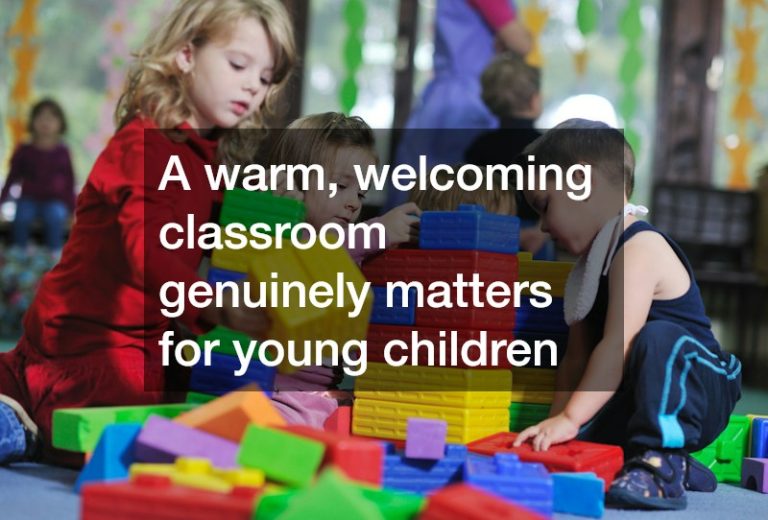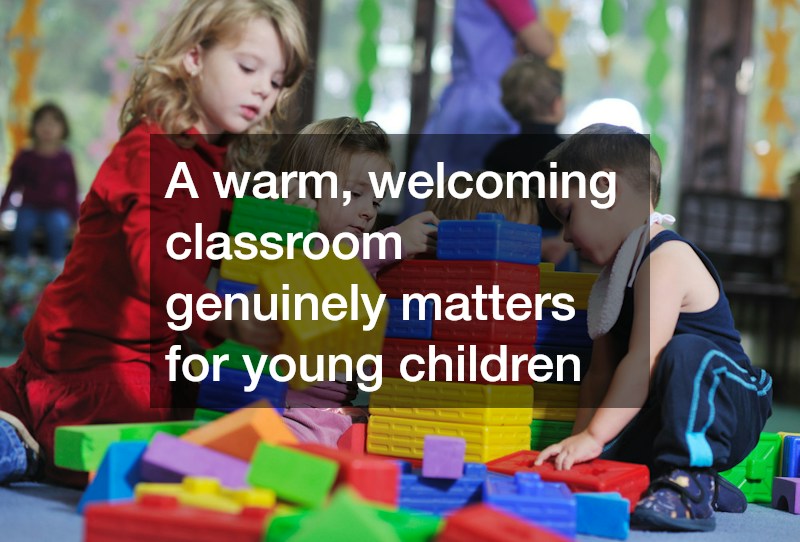

Walking into a preschool classroom for the first time, parents often notice something beyond just the toys and learning materials: a certain warmth that makes the space genuinely feel welcoming rather than institutional. This sense of comfort matters enormously for young children, since feeling truly at ease helps them engage more openly with learning, exploration, and new friendships. With so many families weighing their early education choices, understanding what creates this atmosphere becomes genuinely valuable. About 32% of 4-year-olds are enrolled in a pre-kindergarten program, according to Statista, meaning many parents are actively searching for the best preschool environment where their child will genuinely feel at home.
Creating Warm, Inviting Physical Spaces
Thoughtful classroom design, including soft lighting, cozy reading corners, and child-sized furniture, helps a space feel genuinely welcoming rather than sterile or overwhelming. The best preschool classrooms use these intentional design choices to help children feel comfortable settling in and exploring their environment with confidence.
Displaying Children’s Own Work and Contributions
When children see their own artwork, photos, and projects displayed throughout the classroom, they develop a genuine sense of ownership and belonging within that space. This visible recognition helps each child feel personally valued as a real member of the classroom community rather than just a visitor passing through.
Building Consistent, Nurturing Teacher Relationships
More than any physical element, warm and consistent relationships with teachers genuinely make a classroom feel like home for young children. Teachers who greet children individually, remember their interests, and respond with genuine attentiveness help create the emotional security that makes a space feel truly safe and familiar.
Establishing Familiar Routines and Traditions
Predictable daily routines, along with small classroom traditions like special songs or celebrations, help children feel genuinely grounded and connected to their learning environment. These familiar patterns create the kind of comfortable rhythm that helps a classroom feel less like a new place and more like a second home.
A warm, welcoming classroom genuinely matters for young children, and the right preschool will be committed to creating spaces where every child feels truly at home. When touring programs, look for thoughtful classroom design paired with genuinely nurturing teacher relationships, since together they help children feel comfortable, confident, and ready to learn. If you’re searching for the best preschool for your child, scheduling visits to a few classrooms is one of the most reliable ways to find the environment where your child will thrive.
About the Author